For Families
When You’re Ready, We’re Here to Help
New Patient Form
You're Not On the Sidelines. You're Part of the Team.
When someone you love is struggling with substance use or mental health, it affects everyone around them. Family. Friends. Coworkers. The community. We all benefit when we have a community of healthy members. At Green Hill Recovery, we believe family involvement isn’t an afterthought. It’s a core part of how people get better. This page is for you — the spouse, the parent, the sibling, the friend who’s been carrying this too.
The Importance of Family Involvement in Treatment
Research is clear: people do better in treatment when their families are involved. Not because families caused the problem, but because recovery happens in relationships. The patterns, the communication, the stress, the love — all of it plays a role in how someone heals. When families understand what’s happening and how to help, outcomes improve for everyone.
How Green Hills Works With Families
Education
Substance use and mental health conditions are complex, and families often carry more than their share of the weight. Our team works with families to build a real understanding of what their loved one is going through and how to help in ways that work. Just as importantly, we make sure families have access to their own support — individual therapy, family sessions, and free community groups — because getting through this well means taking care of yourself, not just the person you love.
Family Sessions
Family sessions at Green Hill are available weekly, in-person or virtually, and are built around what your family needs. These aren’t check-ins. They’re structured clinical sessions designed to improve communication, rebuild trust, and help everyone in the room understand their role in the recovery process.
Boundary Setting & Enabling
One of the hardest things for families to navigate is the line between support and enabling. Our clinicians work with families directly on this — not to assign blame, but to give you practical tools for how to show up for your loved one in ways that help rather than hinder. This work is grounded in the Community Reinforcement and Family Training approach, or CRAFT — one of the most evidence-based models available for families navigating a loved one’s substance use.
How Family Sessions Work Across Our Programs
Substance Use Day Treatment (PHP)
Partial Hospitalization Programs (PHP) are designed for the most acute phase of early recovery — when your loved one needs the most support. As they begin to get sober, our psychiatrists and clinical team work closely with them to manage cravings, stabilize mood, and address the mental health symptoms that often emerge when substances are removed.
Because we treat both substance use and mental health together, your loved one is getting comprehensive care for everything that’s showing up — not just the addiction.
Because your loved one is coming home every day — not living in a facility — what happens at home matters enormously. Family sessions during PHP are designed to help stabilize the home environment while your loved one is doing the hardest work of early recovery. We’ll help you understand what they’re going through, how to support their progress, and how to take care of yourself in the process.
Substance Use Outpatient Treatment (IOP)
Substance Abuse IOP continues the dual diagnosis work of PHP on a schedule that fits around daily life. Your loved one is building on the progress they’ve made — developing skills to manage their mental health, their cravings, and their relationships in real time. That includes their relationship with you.
Family sessions during IOP focus on communication, reinforcing the skills being built in treatment, and working through the challenges that naturally come up as your loved one reintegrates into daily life. CRAFT informs how we work with families at this level — helping you become a positive force in your loved one’s recovery without taking on the burden of managing it for them.
Mental Health Outpatient Treatment (IOP)
For families of loved ones in our Mental Health IOP, family sessions focus on understanding what your loved one is experiencing, how to communicate more effectively, and how to support their wellbeing without burning yourself out. While CRAFT is specific to substance use, our clinicians bring the same thoughtful, evidence-informed approach to mental health family work.
We also believe that family members need their own support — not just guidance on how to help someone else. When it makes sense, we help connect family members with their own therapist through our sibling company AIM: Advaita Integrated Medicine, so that you have somewhere to process what you’re going through, take care of your own mental health, and show up for your loved one from a more grounded place.
What To Expect in A Family Session?
Family sessions at Green Hill are weekly, available in-person or virtually, and led by a licensed clinician. You don’t need to prepare anything special. You just need to show up.
A typical session might include open conversation about what’s been happening at home, guided work on communication and boundaries, education about what your loved one is experiencing, or processing your own feelings about the situation. But these sessions aren’t just about talking through what’s hard.
They’re about building real, practical skills you can use at home — how to respond instead of react, how to set boundaries that actually hold, how to have difficult conversations without them falling apart, and how to support your loved one’s progress without losing yourself in the process.
These sessions are for you as much as they are for your loved one. Family involvement looks different for every family. We meet you where you are.
Supporting Your Family During Outpatient Treatment
Because Green Hill is an outpatient program, your loved one comes home every day. That’s a strength — recovery built in real life tends to stick — but it also means the home environment plays a real role in how treatment goes.
A few things that help:
- Consistency matters. Predictable routines, calm environments, and steady support make a meaningful difference during treatment.
- You don’t have to have the answers. Your job isn’t to fix anything. It’s to stay present, stay connected, and let the clinical team and your loved one do the clinical work.
- Take care of yourself too. Supporting someone through treatment is emotionally demanding. Your own wellbeing is not a luxury. It’s part of how this works.
Support Groups for Families
Free Weekly Virtual Family Support Group
Green Hill offers a free weekly virtual family support group grounded in the Invitation to Change model — a compassionate, evidence-based approach that helps families support their loved ones while reducing their own stress and suffering. This group is open to families navigating a loved one’s substance use, regardless of where that person is in their recovery journey.
You don’t have to be in crisis to join. You just have to be looking for support.
Why Green Hill - The AIM Stepdown Pathway
Your Loved One Won't Fall Off a Cliff at Discharge
One of the most common fears families have is what happens when treatment ends. At many programs, discharge means starting over — finding a new provider, rebuilding a relationship from scratch, hoping the momentum holds.
At Green Hill, discharge is not an ending. It’s a transition within a connected system.
When we built Green Hill Recovery, we knew that great outpatient treatment was only part of what people needed. So we also built AIM: Advaita Integrated Medicine — our sibling company located right next door — to make sure our patients and their families could access expert psychiatry, medication management, and therapy without ever leaving the people who know them best.
AIM wasn’t built as a separate entity we refer to. It was built as an extension of what we do here, so that the care never has a hard stop.
Many of our patients are already working with an AIM provider during their time at Green Hill, which means the relationship, the history, and the clinical continuity are already in place before treatment ends. When your loved one is ready to transition out of PHP or IOP, they don’t lose their team. They simply shift to a different level of support within the same connected system — continuing with their psychiatrist or medication provider at AIM for as long as they need.
Your loved one’s needs will change over time. More support at the beginning, less as they grow stronger, and more again if life gets hard. That’s not a setback — that’s just how healing works. And we’re built for all of it.
Meet Our Team
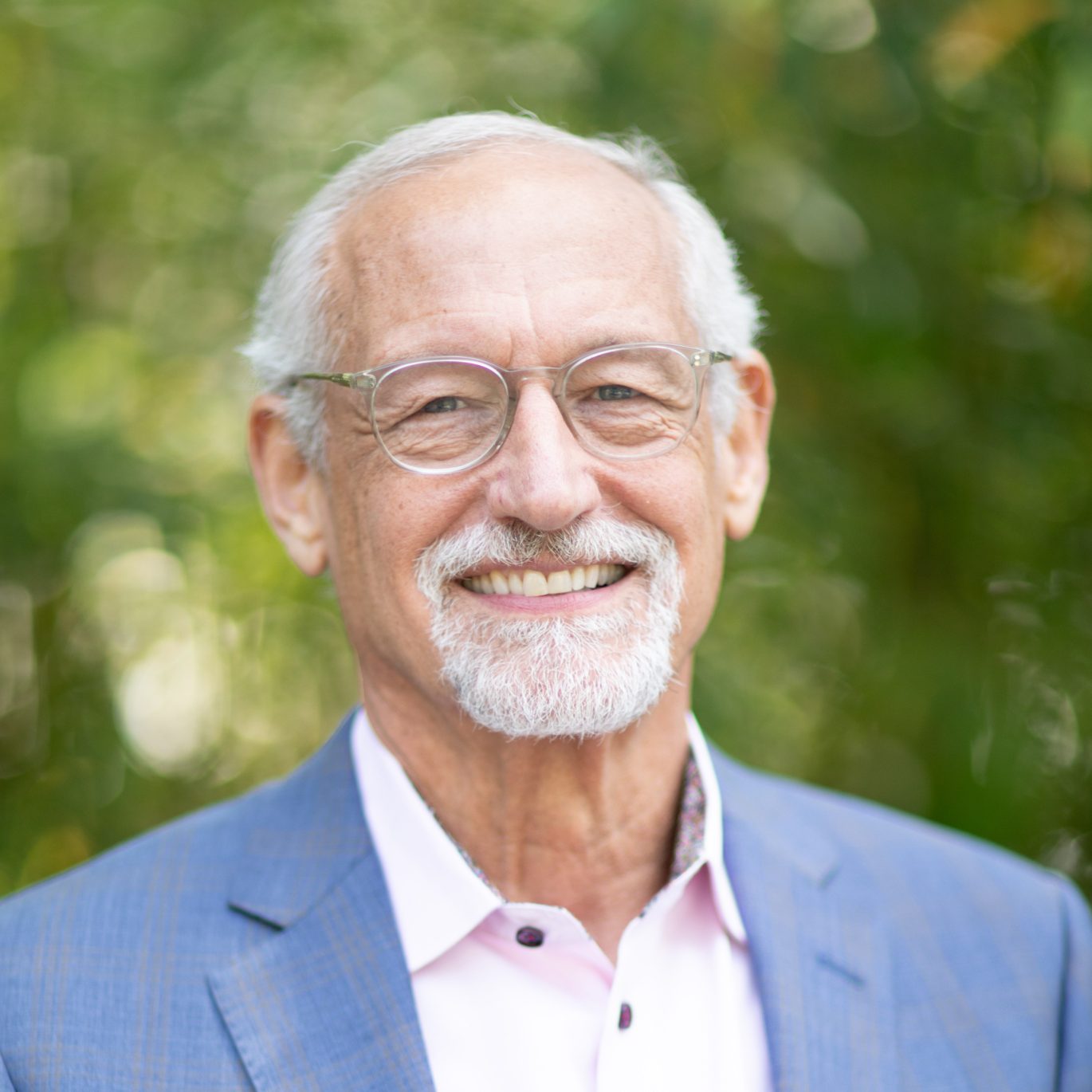
Dr. R. Dewayne Book
Chief Medical Officer
Dr. Dewayne Book oversees medical services across both Green Hill Recovery and AIM: Advaita Integrated Medicine...
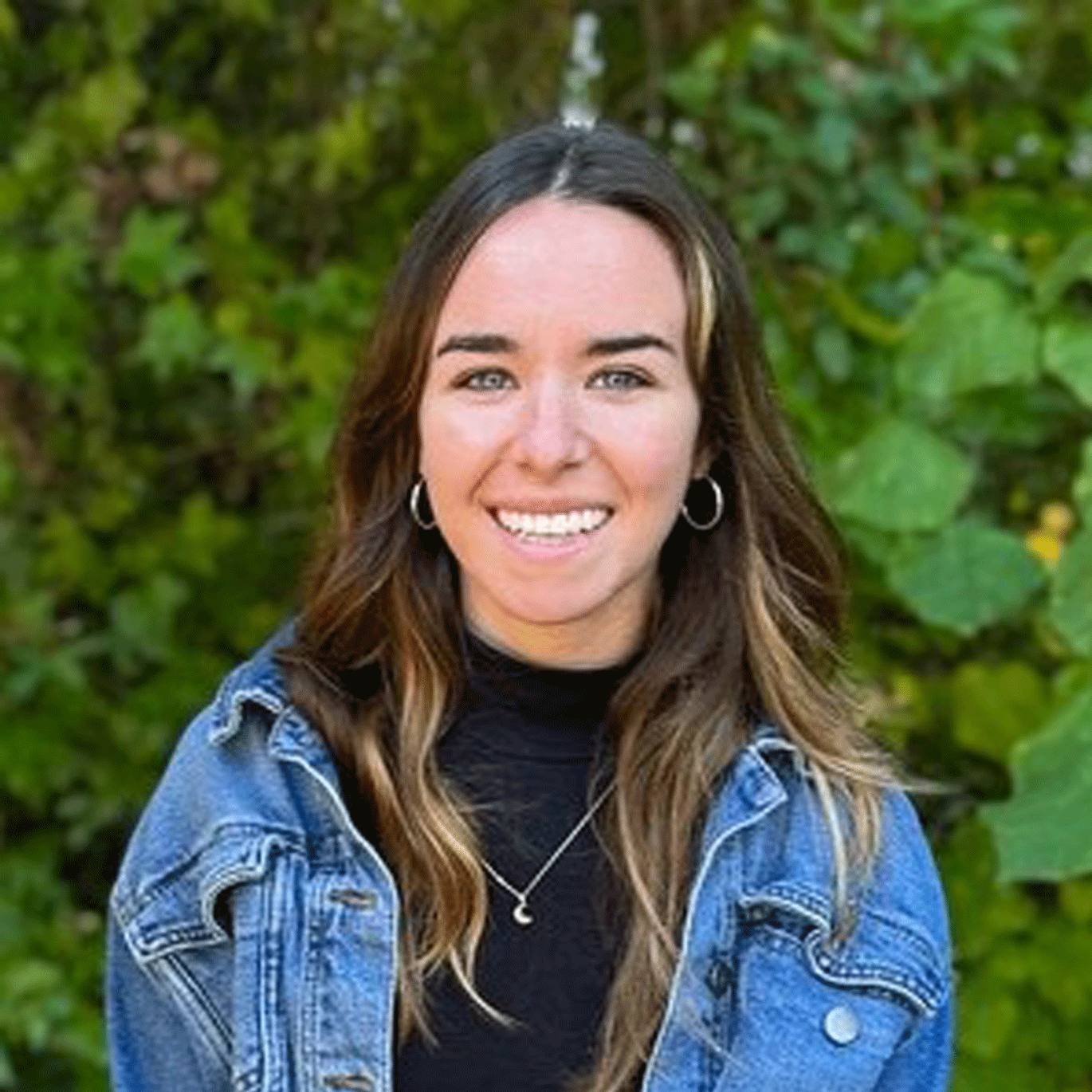
Meaghan Brackin, MS, LCMHC, LCAS, CRC
Manager of Substance Use Programs
Deana Luciano is the clinical backbone of Green Hill's substance use programming. As Director of Substance Use Programs...
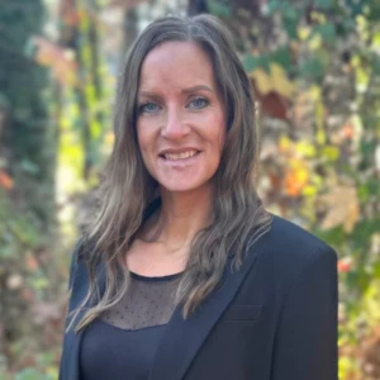
Deana Luciano, Ph.D., LCMHC, LCAS
Director of Substance Abuse Programs
Rachel Iroff oversees Green Hill's Mental Health IOP, bringing both clinical expertise and a genuine commitment to...
Begin Rehab in Raleigh Today
If your loved one is ready — or even if you’re not sure yet — we’re here to help you figure out the next step. Call us, fill out a form, or verify insurance. We respond quickly, and we’ll help guide you through the process.
FREQUENTLY ASKED QUESTIONS
In many cases, yes. Family therapy sessions may be covered under your loved one’s insurance plan or your own, depending on your benefits. The best way to find out is to verify insurance — we’ll help walk you through what’s covered. Verify Insurance
Readiness looks different for everyone. If their substance use or mental health struggles are affecting their daily life — their relationships, their work, their ability to function — it’s worth a conversation. You don’t need to wait for a crisis. Our team can help you assess where things stand and what level of care might make sense.
That’s more common than you might think, and it doesn’t mean you’re shut out entirely. Our free family support group and individual family resources are available to you regardless of your loved one’s wishes. We can also work with you on how to stay connected and supportive in ways that respect their boundaries while still protecting your own wellbeing.
Absolutely. Our weekly family support group, family therapy sessions, and psychoeducation resources are all designed with you in mind. You are not an afterthought in this process. Your own health and stability matter — both for you and for the person you’re trying to support.
If at any point your loved one needs a level of care beyond what our outpatient programs provide, our clinical team will work with you and your loved one to connect with the right resources. We coordinate that transition carefully — making sure nothing falls through the cracks and that the people taking over their care have everything they need.
Our team works with your loved one and any outside providers to ensure continuity of care — sharing relevant clinical information, communicating about medications, and making sure the transition out of treatment is as smooth as possible. And for many patients, that transition happens within our own connected system through our sibling program AIM: Advaita Integrated Medicine, meaning the continuity is already built in.