
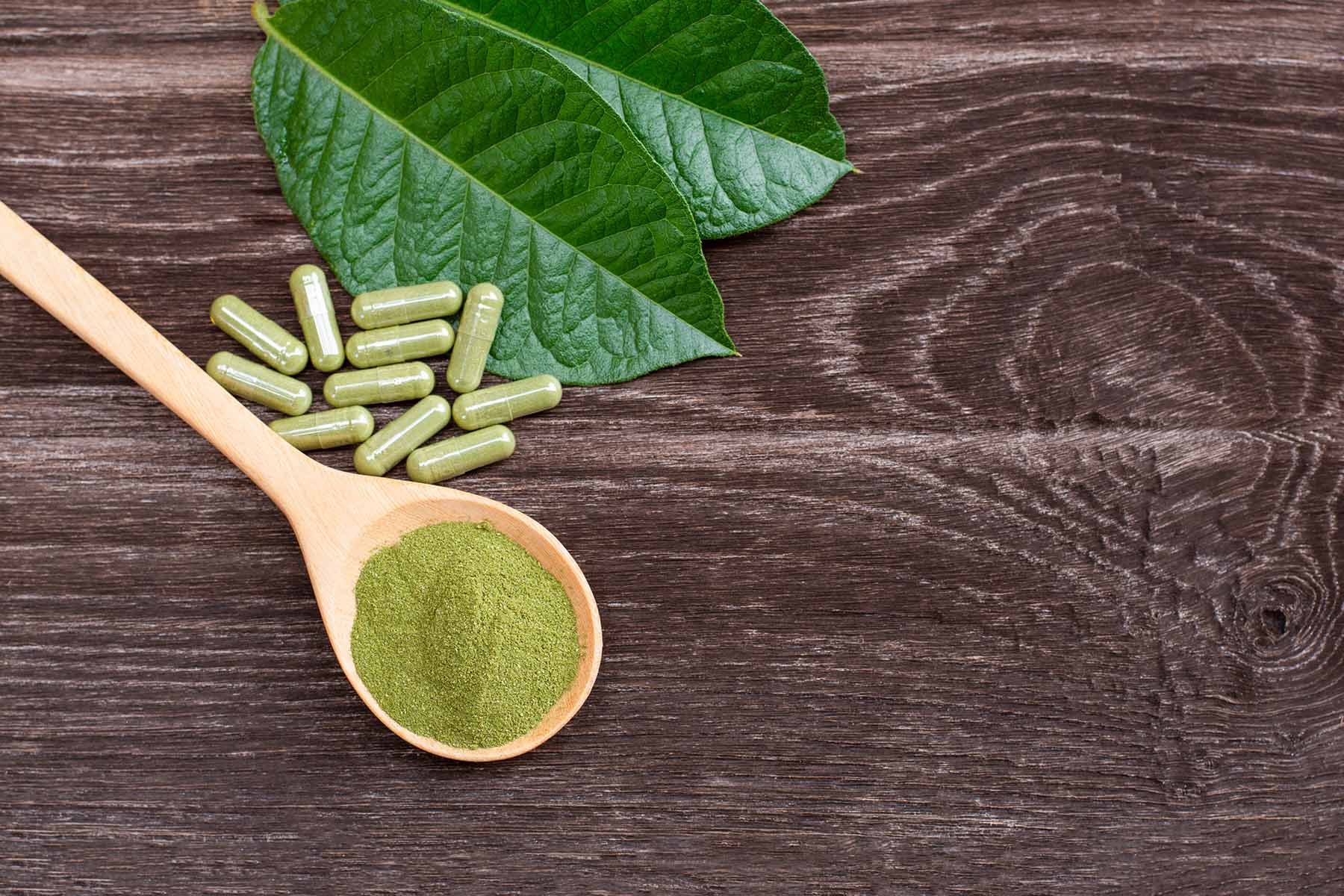
Kratom is often described as natural because it comes from a plant, but natural does not automatically mean safe. Kratom can affect the body and brain, may interact with opioid receptors, and can lead to tolerance, dependence, withdrawal, or other risks for some people. Safety depends on how often it is used, the dose, the product type, and whether other substances are involved.
Is Kratom Safe?
There is not a simple answer that applies to every person.
That is frustrating, because people usually search “is kratom safe?” when they want clarity. Fair request. Unfortunately, kratom sits in one of those irritating gray areas where the answer depends on the details.
It is also important to remember that ever person’s biology is unique so what can pose a significant risk for one person may pose a much less significant risk for another.
Kratom may carry different risks depending on:
- How often someone uses it
- How much they take
- Whether they use powder, capsules, extracts, shots, tablets, or 7-OH products
- Whether they mix it with alcohol, opioids, benzodiazepines, sedatives, or other substances
- Whether they have a history of substance use concerns
- Whether they are using it to manage pain, anxiety, mood, energy, sleep, or withdrawal
For some people, kratom use may remain occasional. For others, it can gradually become a daily pattern that is harder to step away from than they expected.
That is the part worth slowing down for.
Natural Does Not Mean Harmless
Kratom’s “natural” label can make it feel safer than it may be.
That is not because people are foolish. It is because most of us have been taught to associate natural with gentle, clean, or low-risk.
But plenty of natural things can affect the body powerfully. Alcohol comes from fermentation. Tobacco comes from a plant. Poison ivy is having a very natural little career ruining people’s weekends.
The point is not that kratom is the same as those substances. The point is that “natural” is not a safety rating.
Kratom contains active compounds that can affect mood, pain, energy, sedation, and withdrawal. If a substance can change how you feel, it can also become something your body and habits start adapting around.
That does not make everyone who uses kratom addicted.
It does mean the “natural” argument should not be doing all the thinking for us.
Legal Does Not Mean Risk-Free
Kratom is available in many places, and that availability can make it seem less concerning.
People may see kratom in smoke shops, gas stations, wellness stores, or online and assume that if it is being sold openly, it must be relatively safe.
That assumption is understandable. It is also shaky.
Being legal or easy to buy does not mean a substance is harmless, well-regulated, or low-risk. It usually just means it is available.
Alcohol is legal. Nicotine is legal. Plenty of products are legal and still capable of creating dependence, health problems, and a truly impressive number of bad decisions.
Kratom’s availability can also make it easier for use to become routine. If someone can buy more whenever they run out, the pattern can keep going longer than they intended.
Convenience has a way of becoming permission if no one is paying attention.
Why Kratom Feels Safer
Kratom can feel safer than other substances for several reasons.
It may be marketed as plant-based. It may be sold as a supplement. It may be described online as a tool for pain, energy, anxiety, mood, or opioid withdrawal. Some people use it because they are trying to avoid pain pills, heroin, fentanyl, alcohol, or other drugs.
That context matters.
Many people do not start using kratom because they want a substance use problem. They start because they are trying to function.
They may be trying to get through work with chronic pain. They may be trying to avoid returning to opioids. They may be trying to manage stress, low mood, poor sleep, or exhaustion. They may be trying to keep their life moving without making everything worse.
That does not make the risk disappear.
It just means the story is more human than “someone made a bad choice.”
The concern begins when kratom becomes less of a tool and more of a requirement. When the day feels harder without it. When the dose creeps up. When running out feels urgent. When stopping becomes more complicated than expected.
That is where safety becomes less theoretical.
Daily Kratom Use
Daily kratom use is one of the places where risk can start to increase.
Using something every day does not automatically mean addiction. People drink coffee every day, and society has mostly decided to look the other way because meetings are already hard enough.
But daily use of a psychoactive substance deserves attention, especially when the body starts expecting it.
Daily kratom use may become concerning when:
- The amount increases over time
- The day starts with kratom by default
- Going without it leads to discomfort
- It becomes harder to feel normal without it
- It is used before work, school, sleep, or social situations
- Attempts to moderate use aren’t working
- Stronger products start replacing powder or capsules
A useful question is not only “How much am I taking?”
It is also:
“What happens when I do not take it?”
That answer usually gives better information than the label on the package.
Kratom Side Effects
Kratom can affect people differently, and side effects may vary by dose, product strength, frequency, and individual health.
Possible kratom side effects may include:
- Nausea
- Constipation
- Sweating
- Dry mouth
- Dizziness
- Itching
- Sedation
- Irritability
- Anxiety
- Sleep disruption
- Low motivation
- Changes in mood
- Trouble focusing
- Dependence or withdrawal with repeated use
Some people may notice side effects quickly. Others may not notice them until the pattern has been going on for a while.
There can also be a subtle tradeoff. Kratom may seem to help one problem while quietly creating another. Less pain, but more dependence. More energy, but worse sleep. Less anxiety for a few hours, but more irritability between doses.
Kratom Extracts and 7-OH
Kratom products are not all the same.
Traditional kratom leaf powder is different from extracts, shots, tablets, vapes, and products marketed around 7-OH. These concentrated forms may feel stronger, act differently, or be harder to compare dose-for-dose.
That matters because many people think they are simply “using kratom,” when the product they are taking may be much more concentrated than what they used before.
7-OH, or 7-hydroxymitragynine, is one compound associated with kratom’s effects. Some products now highlight or concentrate 7-OH specifically.
Concentrated products may increase concern when:
- Effects feel stronger than expected
- Doses increase quickly
- Use becomes more frequent
- Withdrawal shows up between doses
- Cravings become harder to ignore
- The product feels necessary to get through normal responsibilities
This does not mean every extract or 7-OH product will affect every person the same way. It means product type matters.
A gummy, vape, tablet, shot, or extract may feel casual because of the format. The body does not necessarily treat it casually.
Mixing Kratom with Other Substances
Kratom may become riskier when combined with other substances.
This can include alcohol, benzodiazepines, opioids, sedatives, sleep medications, stimulants, or other drugs. Mixing substances can make effects harder to predict and may increase risks related to sedation, coordination, breathing, mood, judgment, or withdrawal.
This is especially important when someone is using kratom to manage withdrawal from opioids, alcohol, benzodiazepines, or other substances.
At that point, the situation may be less about kratom alone and more about a complicated cycle of trying to avoid discomfort from multiple directions.
A professional assessment can help sort out what is happening without making the person figure it all out alone with a search bar and vibes.
When Kratom Safety Becomes a Treatment Question
The question “is kratom safe?” sometimes shifts into a more personal question:
“Is my relationship with kratom still manageable?”
That shift matters.
Kratom use may be worth discussing with a professional when:
- You use kratom daily or multiple times per day
- You feel off, anxious, or sick without it
- You keep increasing the amount
- You have switched to extracts, tablets, shots, or 7-OH products
- You use it to avoid withdrawal
- You have tried to stop and returned to the same pattern
- You hide or minimize how often you use it
- Your sleep, mood, motivation, money, work, or relationships are being affected
- You are mixing kratom with other substances
- You feel uneasy about the role it has started playing
This is not about proving that kratom is “bad.”
It is about noticing when the pattern is no longer serving the purpose it was supposed to serve.
Sometimes the clearest sign is not a dramatic crisis. It is the quiet realization that you have to keep managing the thing that was supposed to help you manage everything else.
That is a very annoying sentence to live inside.
Kratom Help in Raleigh, NC
If you are worried about kratom use in Raleigh, NC, you may have outpatient treatment options depending on your symptoms, withdrawal risk, daily stability, and whether other substances are involved.
Green Hill offers substance use treatment in Raleigh, including PHP and IOP options for people struggling with kratom, 7-OH products, opioids, alcohol, and other substances.
For people in the broader Triangle area, treatment can help clarify what level of support makes sense. Some people may need medical guidance. Some may benefit from outpatient therapy. Others may need the added structure of IOP or PHP.
You do not need to know the perfect answer before reaching out. That would be efficient. Suspiciously efficient.
Talk Through Your Options
Kratom being natural does not automatically make it safe. Kratom being legal does not mean it cannot become a problem. And struggling with kratom does not mean you were foolish for using it.
It means the pattern deserves attention.
If kratom has become part of how you manage pain, stress, mood, energy, withdrawal, or daily functioning, it may be worth talking with someone before the pattern gets more entrenched.
The Green Hill admissions team can help you think through what is happening, whether medical support may be needed, and whether IOP, PHP, or another treatment option in Raleigh makes sense.