
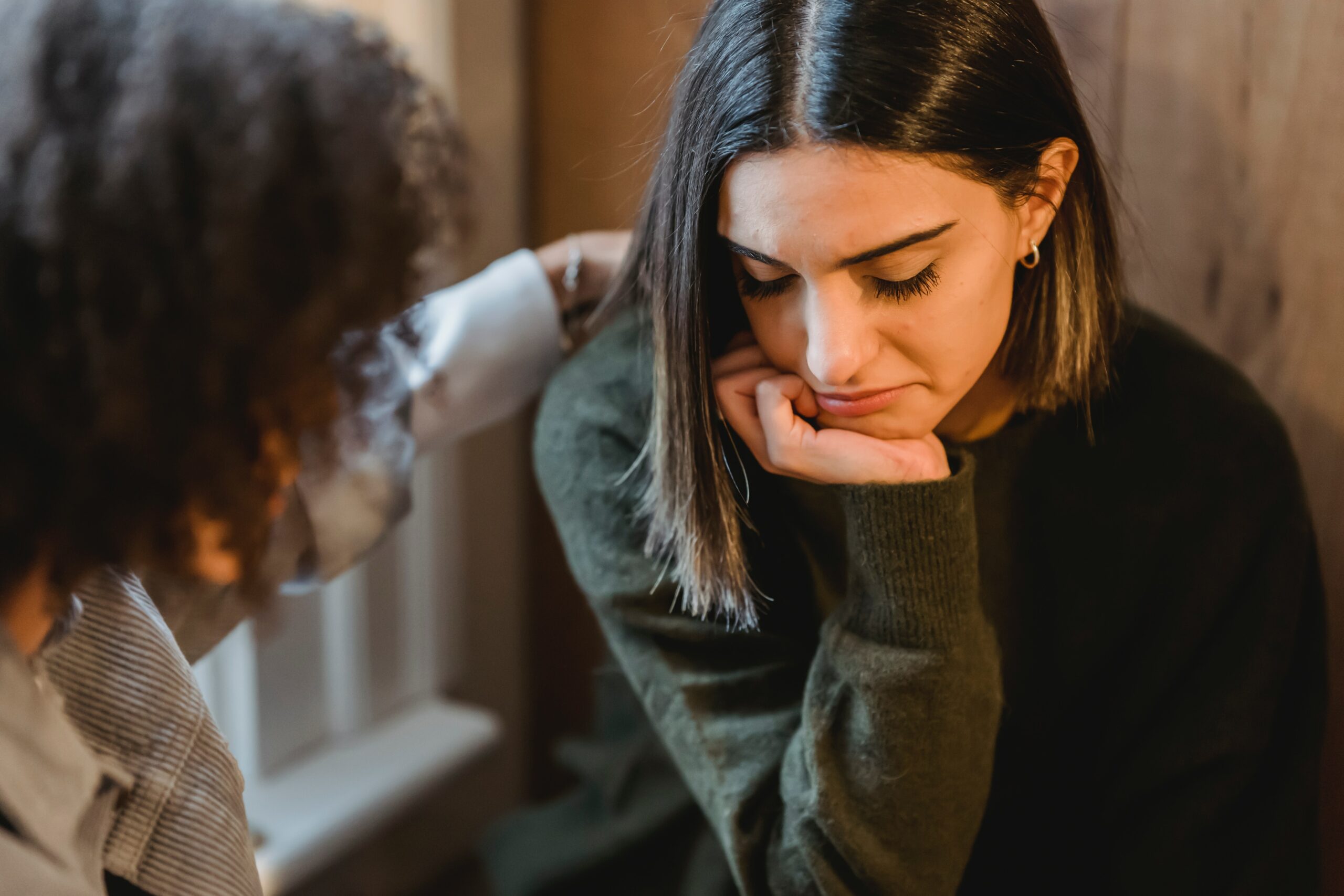
Weed can sometimes make anxiety worse, especially when someone uses high-THC products, uses marijuana frequently, is prone to panic, or relies on cannabis as their main way to manage stress.
Marijuana can feel calming at first, but for some people it can increase overthinking, panic symptoms, sleep disruption, and rebound anxiety. In some cases, THC can even lead to more severe mental health symptoms like psychosis.
Can Weed Cause Anxiety?
Yes, weed can cause anxiety for some people. It can also temporarily reduce anxiety for others. That is part of what makes this topic confusing.
Not everyone reacts to marijuana the same way. Some people use it and feel calmer, more relaxed, or less caught up in their thoughts. Others feel panicky, paranoid, overstimulated, or trapped inside their own mind with a very loud narrator. Not exactly the relaxing evening they were hoping for.
The more accurate answer is this: marijuana can reduce anxiety in some situations, but it can also worsen anxiety depending on the person, the dose, the type of cannabis, the level of THC, the frequency of use, and the person’s underlying mental health. The CDC notes that cannabis use can sometimes lead to anxiety, paranoia, or unpleasant thoughts and feelings, particularly for some individuals.
That does not mean everyone who uses marijuana will develop anxiety. It does mean that if your anxiety has been getting worse, your cannabis use is worth looking at honestly.
Why Marijuana Can Feel Helpful
Many people start using weed for fun or because it seems to help with their mental health.
For some people, the effects are noticeable almost immediately. Stress feels less urgent. Thoughts slow down. Situations that felt overwhelming become easier to tolerate. Even if the relief is temporary, it can feel significant for someone who has been carrying anxiety, stress, or emotional discomfort for a long time.
It may feel like marijuana:
- Slows racing thoughts
- Reduces social anxiety
- Makes boredom more tolerable
- Helps with sleep
- Softens emotional discomfort
- Makes stress feel less immediate
- Creates distance from self-criticism
For someone who feels anxious all day, that relief can feel meaningful. If your brain has been running like a laptop with 47 tabs open and at least one of them is playing music you cannot find, weed may seem like the thing that quiets things down.
That experience should not be dismissed.
Many people are not using marijuana because they are reckless or lazy or “just don’t care.” They are often trying to feel better. They may be trying to relax, sleep, socialize, eat, reduce panic, manage emotional pain, or feel less overwhelmed.
The problem is that something can feel helpful in the short term while creating complications over time.
That is where weed and anxiety can get tricky.
When Weed Makes Anxiety Worse
For some people, marijuana addiction begins as a way to manage anxiety and eventually becomes something that contributes to it.
This can happen gradually. At first, weed may feel like a reset button. Over time, though, someone may notice that anxiety shows up more often, feels harder to tolerate, or becomes more intense when they are not using.
Signs marijuana may be worsening anxiety include:
- Feeling more anxious the day after using
- Using weed to calm down almost every night
- Panic symptoms while high
- Racing thoughts after smoking or taking edibles
- Feeling paranoid or overly self-conscious
- Worsening sleep quality
- Feeling emotionally flat or unmotivated
- Needing more cannabis to get the same effect
- Feeling irritable or restless when not using
This does not always mean marijuana is the only cause. Anxiety is complicated. Stress, sleep, relationships, trauma, depression, work, school, and physical health can all play a role.
But if THC has become one of your main tools for managing anxiety, it is worth asking whether it is helping, masking the issue, or quietly making the anxiety cycle harder to break.
More: Benefits of Quitting Marijuana
THC and Anxiety
THC is one of the primary psychoactive compounds in cannabis. It is largely responsible for the “high” people associate with marijuana.
Higher-THC cannabis products have become more common in recent years, and The National Institute of Drug Abuse (NIDA) notes that cannabis products have increased in variety and THC concentration. That matters because stronger products can produce stronger effects, including effects some people experience as unpleasant or anxiety-provoking.
For someone prone to anxiety, those shifts can become uncomfortable quickly.
A racing heart may be interpreted as danger. A strange body sensation may become the beginning of a panic spiral. A passing thought may suddenly feel deeply important, suspicious, or catastrophic.
This is one reason people sometimes say, “Weed used to help me, but now it makes me anxious.”
That shift can be confusing, but it is not unusual.
Weed and Panic Attacks
Some people experience panic attacks after using weed, especially products with higher THC levels or edibles that hit harder than expected.
A THC-related panic attack may include:
- Racing heart
- Chest tightness
- Shortness of breath
- Dizziness
- Sweating
- Shaking
- Fear of losing control
- Fear that something is medically wrong
- Intense dread or paranoia
These symptoms can feel terrifying.
This is also where people can get stuck in a loop. After having a panic attack while high, they may become anxious about the possibility of it happening again. That anxiety can make them hyperaware of body sensations the next time they use weed, which can increase the odds of another panic experience.
If this is happening repeatedly, it is a good sign to pause and look more carefully at the relationship between marijuana and anxiety.
Weed, Sleep, and Rebound Anxiety
Many people use marijuana because they believe it helps them sleep.
And in some cases, it may help someone fall asleep faster. But sleep is not only about falling asleep. Sleep quality matters too.
Some people notice that frequent marijuana use leaves them feeling:
- Groggy
- Emotionally flat
- Less rested
- More anxious the next day
- More dependent on weed to fall asleep
When someone relies on marijuana for sleep, stopping or cutting back can also temporarily make sleep worse. That can increase anxiety, which can then increase the urge to use again.
This does not mean marijuana is always the main problem. But sleep and anxiety are tightly connected, and cannabis can become part of that loop for some people.
Marijuana as Emotional Avoidance
One of the most important questions is not simply, “Is weed bad for anxiety?”
A better question may be:
“What role is weed playing in my life?”
For some people, marijuana becomes a primary way to avoid difficult emotions.
Again, this does not make someone weak. It makes them human.
Avoidance works in the short term. That is precisely why people use it.
The issue is that when marijuana becomes the main way someone manages emotional discomfort, they may have fewer opportunities to build other coping skills. Over time, anxiety can feel even more threatening because the person has less practice moving through it without being high.
This is often where substance use and mental health begin to overlap. When anxiety, depression, trauma, burnout, or emotional distress become intertwined with cannabis use, professionals may refer to that as a dual diagnosis.
Is It Anxiety or Cannabis?
It can be difficult to tell whether weed is causing anxiety, worsening anxiety, or simply being used to manage anxiety that was already there.
In many cases, the answer is not perfectly clean.
It may be some combination of:
- Pre-existing anxiety
- Increased THC sensitivity
- Frequent cannabis use
- Poor sleep
- Marijuana Withdrawal symptoms between uses
- Avoidance of stressors
- Social isolation
- Underlying depression or trauma
This is why overly simple answers are not very helpful.
Some people use marijuana occasionally and do not experience major mental health consequences. Others find that cannabis gradually becomes tangled up with anxiety, motivation, sleep, relationships, and daily functioning.
The question is not whether marijuana is universally good or bad.
The better question is whether your current pattern is helping you live the way you want to live.
Signs Weed May Be a Problem
Marijuana may be becoming a problem when it starts playing a bigger role in your life than you intended. This does not always happen dramatically. Sometimes the shift is subtle: you use more often, depend on it more emotionally, or notice that anxiety feels harder to manage without it.
The question is not whether marijuana is “good” or “bad” in some universal sense. The better question is whether your current relationship with weed is helping you function, connect, sleep, regulate emotions, and live the way you want to live.
Marijuana may be becoming a problem if you notice that you:
- Want to cut back but keep returning to the same pattern
- Use weed to manage anxiety most days
- Feel more anxious when you are not using
- Avoid social situations unless you are high
- Feel less motivated or emotionally present
- Keep using despite panic attacks
- Hide or minimize how often you use
- Rely on weed to sleep, eat, relax, or function
- Feel stuck in the same anxiety cycle
These signs do not mean you are a bad person. They also do not mean you need the most intensive level of care available.
They do mean it may be worth getting support before the pattern becomes more entrenched.
THC-Induced Psychosis
In some cases, cannabis use can also contribute to more serious mental health symptoms, including paranoia, hallucinations, disorganized thinking, or difficulty knowing what is real. This is sometimes referred to as THC-induced psychosis or cannabis-induced psychosis.
The risk appears to be higher with frequent cannabis use, high-THC products, earlier age of use, and in people with certain mental health vulnerabilities.
This does not mean everyone who uses marijuana is at risk for psychosis. But if weed is leading to intense paranoia, hearing or seeing things others do not, feeling detached from reality, or frightening changes in thinking, it is important to take those symptoms seriously and get help early.
Getting Help Earlier
If weed and anxiety have started reinforcing each other, support can help you sort out what is happening.
For some people, therapy may be enough. Therapy can help address anxiety, avoidance patterns, emotional regulation, trauma, stress, and the role cannabis has started playing.
For others, psychiatry may be helpful, especially when anxiety, depression, sleep problems, or cravings are part of the picture.
Some people need more consistent support through an Intensive Outpatient Program (IOP) or Partial Hospitalization Program (PHP), particularly if cannabis use is affecting daily functioning, relationships, school, work, or mental health stability.
The goal is not to force everyone into the same level of care. The goal is to match support to the actual level of need.
Getting help earlier often creates more options. Waiting until things are completely unmanageable usually does the opposite.
Weed and Anxiety Support at Green Hill Recovery
We work with people navigating substance use, anxiety, depression, trauma, burnout, and the messy overlap between them. Many people are not sure whether marijuana is the problem, anxiety is the problem, or both are feeding into each other.
That uncertainty is a reasonable place to start.
Our programs include:
- Therapy
- Psychiatry support
- Intensive Outpatient Programs (IOP)
- Partial Hospitalization Programs (PHP)
- Dual diagnosis Treatment
If marijuana has started feeling less like something you choose and more like something you need to get through the day, it may be time to take a closer look.
Related Reading
- Why People Wait Too Long To Get Help for Addiction
- High-Functioning Alcoholism: Why Success Can Hide a Problem
- Anxiety After Quitting Substances: What People Often Experience